
Shoulder Impingement: Why Your Shoulder Hurts and How to Treat It

Shoulder impingement is a common condition where tendons inside the shoulder get pinched, causing pain—especially during overhead movements.
What Is Shoulder Impingement?

Shoulder impingement syndrome (also called rotator cuff tendinitis) happens when the rotator cuff tendons or surrounding soft tissues get compressed between the shoulder bones during movement.
This pinching most often occurs when you lift your arm overhead, reach out, or perform repetitive shoulder activities.
Why Does Shoulder Impingement Occur?
Inside the shoulder, the rotator cuff passes through a narrow space. If this space becomes smaller due to inflammation, poor movement, or structural issues, the tendons get irritated or inflamed—leading to pain.
Types of Shoulder Impingement
1. Rotator Cuff Tendinitis
Inflammation or irritation of the rotator cuff tendons due to overuse or repetitive activity.
2. Shoulder Bursitis
Inflammation of the bursa (a small fluid-filled sac that reduces friction in the joint), causing pain and swelling.
3. Acromion Shape Abnormality
Certain bone shapes can reduce space in the shoulder, increasing the chance of tendon pinching.
Causes of Shoulder Impingement
Repetitive overhead activities
Overuse or poor training technique
Sudden jerky shoulder movements
Sports (cricket, swimming, tennis, throwing sports)
Trauma or injury
Poor posture
Scapular dyskinesis (abnormal movement of the shoulder blade)
This condition is common in athletes, swimmers, throwers, and even people practicing yoga with improper technique.
Common Symptoms of Shoulder Impingement
Shoulder pain that may radiate to the arm
Pain during overhead activities or reaching out
Pain while lifting even light to moderate weight
Feeling of stiffness or “stuck” shoulder
Difficulty moving the neck on the affected side
Swelling, tenderness, or stiffness
Clicking, popping, or cracking sounds during movement
Symptoms may vary depending on the type and severity of impingement.
Neck Pain and Shoulder Impingement
Shoulder impingement can sometimes cause neck pain due to altered shoulder mechanics, muscle tightness, and poor posture. This is why neck and upper back assessment is important during treatment.
Shoulder Impingement vs Rotator Cuff Tear: How to Differentiate
1. Pain Location
Rotator Cuff Tear: Deep shoulder pain, may radiate down the arm; sometimes sharp
Shoulder Impingement: Dull aching pain on the front or side of the shoulder, worse with overhead movement
2. Weakness
Rotator Cuff Tear: True muscle weakness is common
Shoulder Impingement: Weakness is usually due to pain, not muscle damage
3. Onset of Symptoms
Rotator Cuff Tear: Can be sudden (injury) or gradual
Shoulder Impingement: Usually gradual and activity-related
Both conditions need proper medical evaluation. Physiotherapists use special clinical tests to differentiate between them.
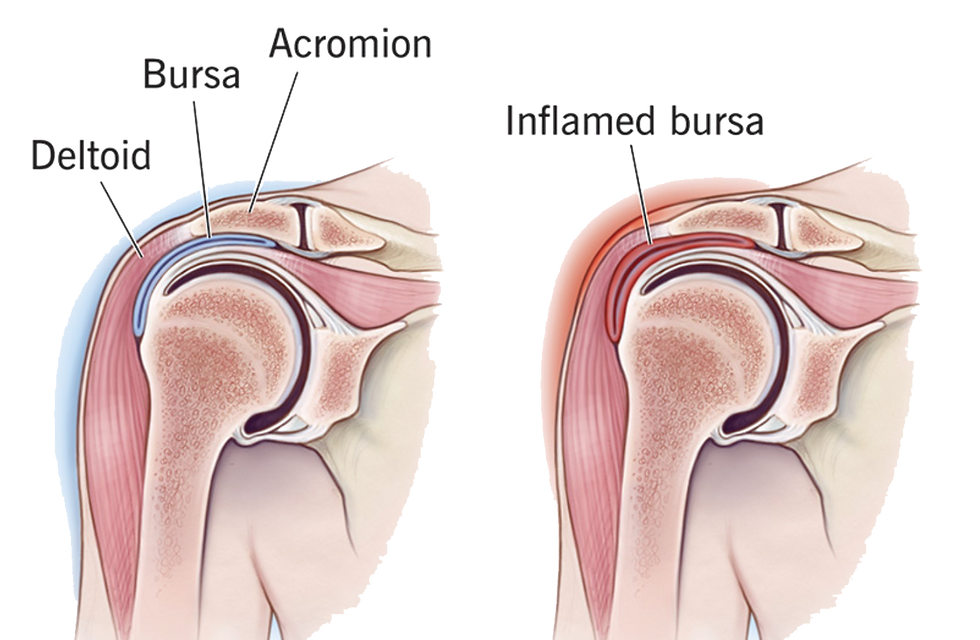
Mechanism of Injury
Excessive movement of the arm bone, causing joint instability
Poor shoulder blade movement reducing space for tendons
Treatment for Shoulder Impingement
Conservative (Non-Surgical) Treatment
Rest and activity modification
Avoid overhead activities and heavy lifting
Ice therapy for acute pain
Anti-inflammatory medications (NSAIDs, as advised by the Doctor)
Physiotherapy:
Strengthening exercises
Stretching
Posture correction
Shoulder blade stability training
Most cases improve significantly with proper physiotherapy.

Preventive Measures
Always warm up before workouts or sports
Maintain correct posture, especially with desk jobs
Take regular breaks and stretch
Strengthen shoulder and upper back muscles
Never ignore shoulder pain or train through discomfort
Key Takeaway
Shoulder pain should never be ignored, especially if it affects your daily activities or workouts. Early and accurate assessment is the key to faster recovery and preventing long-term damage. At our clinic, we focus on identifying the exact cause of your shoulder pain and creating a personalised treatment plan to help you move pain-free again. If you’re experiencing shoulder discomfort, book a proper consultation with us and take the first step towards safe, effective, and long-lasting recovery.
Comments